What spinal conditions do Spineart USA technologies address?
Our devices are developed for a range of spine pathologies, including degenerative disc disease, spinal instability, trauma, and deformities. We offer solutions for both minimally invasive and traditional open procedures, as well as options for motion preservation and spinal fusion tailored to diverse clinical needs.
How does minimal access surgery benefit patients?
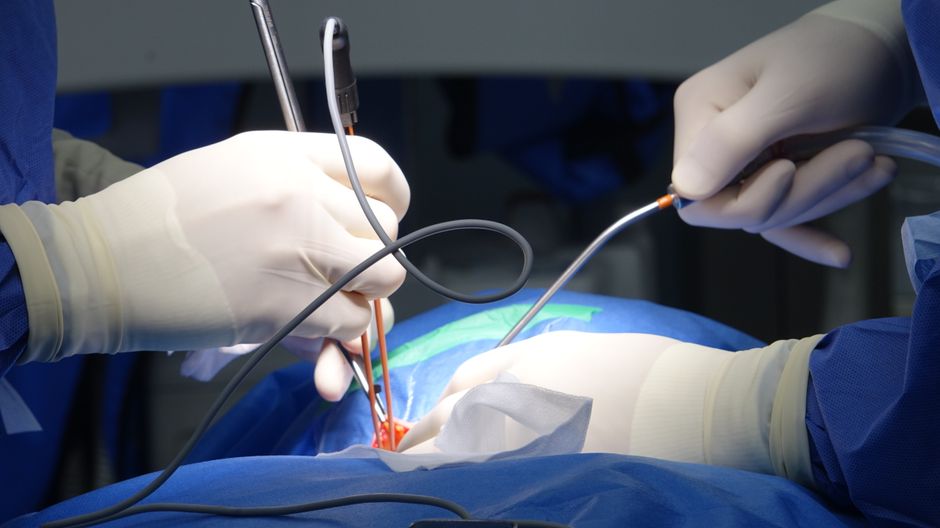
Minimally invasive spinal surgery is designed to reduce muscle and tissue disruption, which can result in shorter hospital stays, reduced pain, faster postoperative recovery, and potentially lower rates of surgical complications—all without compromising the effectiveness of spinal correction or stabilization.
What is the role of 3D printing in your implants?
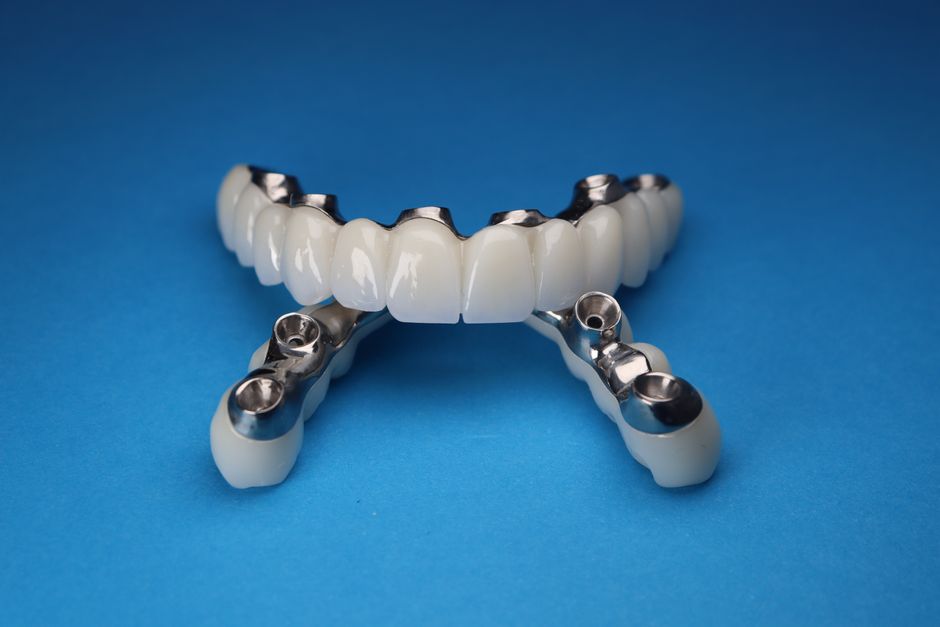
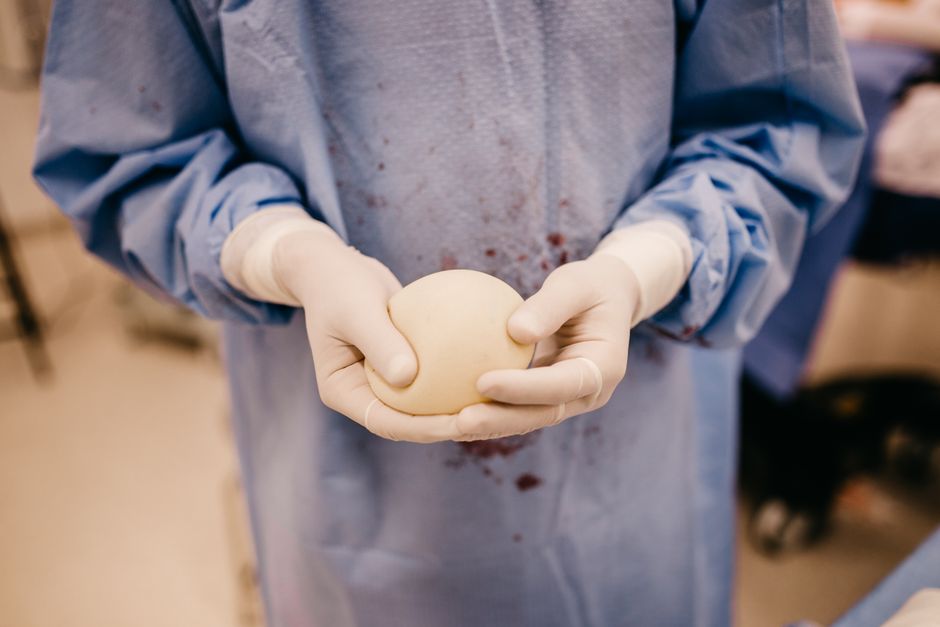
Our 3D-printed implants are engineered to closely mimic bone structure, supporting superior integration with patient anatomy. This advanced manufacturing technique allows for intricate shapes and surface textures, enhancing implant stability and surgical precision for complex spinal reconstructions.
How can surgeons learn more about integrating Spineart devices?
We provide educational resources, product literature, and access to our clinical team for technical consultation. Contact us to request details about the adoption process, compatibility with existing systems, and evidence supporting our technology in routine and advanced procedures.
Where are your products available and who can purchase them?
Our technologies are available to qualified healthcare providers and institutions across the United States and internationally. If you are interested in evaluating or adopting our solutions, please enquire directly to confirm availability, local regulations, and purchasing guidelines specific to your region.